
Go to lesson:

EAS: Sebastian Loo
Tradition
Overview
- Analyze how Loo recalls personal experiences of different cultures and visually translates the in his assemblage art.
- Identify the use of line and color to create spacial compositions.
- Discover how Loo incorporates imagery to tell a story. Loo was very much inspired by Marc Chagall’s I and the Village.
- Create a collage that explores positive and negative emotions and experiences about an object of significance.
Reflection

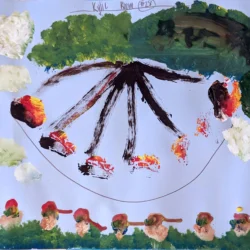
Tradition, 2020. Ink, colors, soft pastel, oil pastel on kozo paper. 25in. x 37in. ©2020 Sebastian Loo
Discussion Video
Biography



Project
Materials
- 4×6 inch white paper
- 9×12 inch white paper
- Drawing Pencil
- Black Marker
- Scissors
- Glue
- Medium choice: Markers, Colored Pencils, or paint, etc. — Note: students will cut out this artwork to glue onto the 9×12 white paper, so consider the medium drying time.
- Color wash
- 1/2″ paint brush
- Water container
- Paper towel
- Newspaper
Directions
Warm Up & Brainstorm
Project Directions
Note: these two steps can be reversed, if the object is done in colored pencils, markers, or oil pastels. Just have the object in mind for the Positive and Negative Experiences segment.
Object of Significance
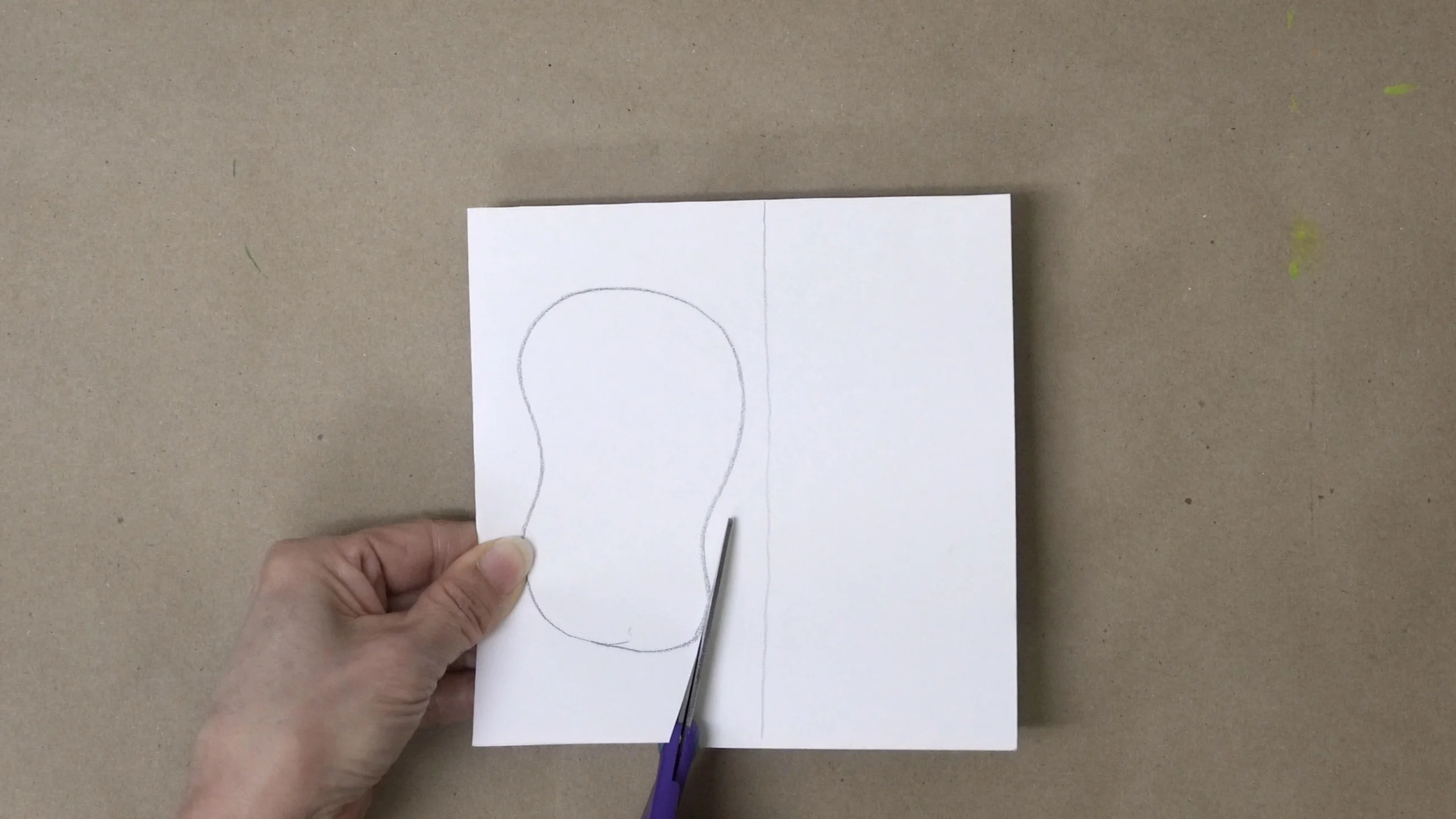
- 4×6 white paper, draw an object that has special meaning for you. This object will sit “in the palm of your hand”, so size it accordingly (especially not too small).
- Fill in the object with a color that it inspires.
- Cut out the object. Allow paper to dry first if painting.
Positive and Negative Experiences
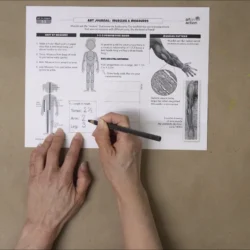
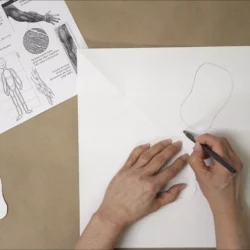
- On the 9×12 paper, use a drawing pencil to trace the contour of your wrist and open hand. Make sure to trace each individual finger.
- Use black marker to go over the pencil tracing.
- Glue the Object onto the hand. Optional: cut around some finger outlines and glue the Object under the fingers.
- On one side of the hand, draw positive things you associate with the Object, like people, places, or experiences. Try to fill the entire space to create an exciting composition.
- On the other side of the hand, draw negative things you associate with the Object.
- Color the drawings and surrounding space, using happy colors on the positive side and unhappy colors on the negative side.
- Art is a powerful tool to express our unique selves. Share your masterpiece with your peers to learn about the experiences that make us special.
Preparation and Setup
Before Lesson Prep
- If using watercolor paints: Add a few drops of clean water in each dry watercolor well to “activate” or soften the pigment.
- Lay the paper towel under the watercolor palette and the cup to avoid mess.
Day of Lesson Setup
- Cover work surfaces with newspaper.
- Set out sketchbooks, drawing pencils, chosen medium (markers, oil pastels, or paints) and 4×6 white paper.
- Have ready 9×12 white paper, black markers, color washes (or watercolor paints), brushes, and water containers.
- Have ready scissors and glue.
- Have ready damp paper towels and sponges for wiping up spills and cleaning fingers.



Project Tips
- If painting object on 4×6 white paper, do not reverse the Object of Significance and Positive/Negative Experiences instructions. Allow object to dry while painting the 9×12 Positive/Negative Experiences.
- Give your own examples of positive and negative feelings and experiences about an object. The goal of this activity is to be introspective about the objects that we use in our life and how they can conjure both positive and negative emotions as we have different experiences over time with the chosen object.
- Have every student share at least one positive (and negative) feeling/moment about their chosen object with everyone or at least one person (of their choice).
Variations
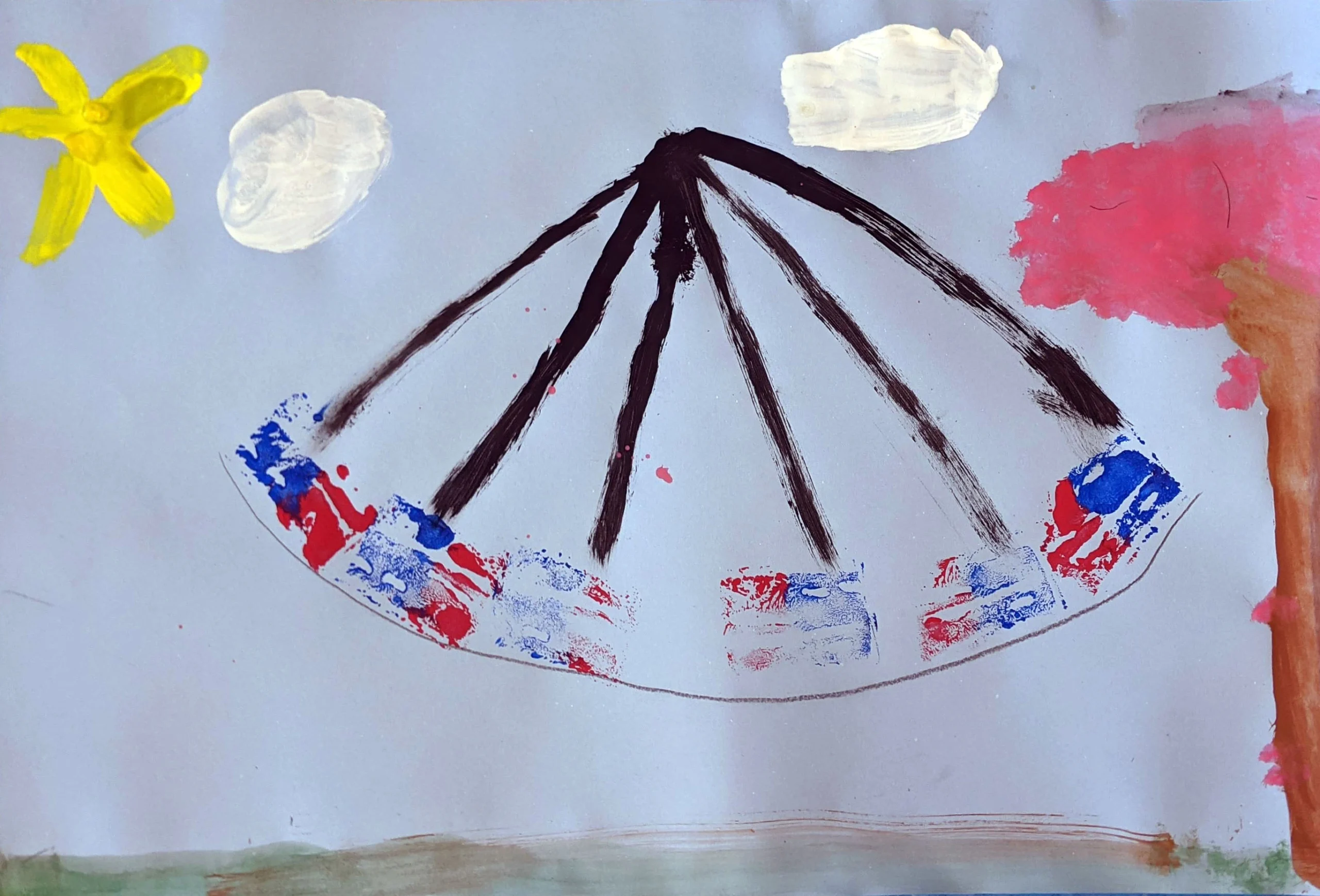
Younger students: First help trace their hand on 9×12 white paper; have them paint positive and negative colors and ideas; and then have them draw their object on the 4×6 paper.
One object: Determine one object for everyone to draw (in their own way), then have them paint positive and negative colors and ideas about the object. Encourage students (give your own examples) of how the object brings you positive feelings, but also the negative aspects.
Older students: Determine a theme for the object that the students choose. For example: tech object, physical activity object, classroom object, object in particular room of their living space.